The automotive sector, with its rapidly changing prices and fluctuating market conditions, can be confusing for buyers. Especially in the used car market, the value of vehicles varies depending on many factors such as model, mileage, and age. Generally, cars around four years old are more preferred by buyers in terms of both price and durability. This is because such vehicles often enter the market after fleet returns and their prices can be almost half that of brand-new models. Of course, when making a purchase decision, it is important to consider not only the age but also all the details such as brand, model, usage history, and the general condition of the vehicle.
1. Budget Planning:
Every car purchase is an investment. First, set a clear budget for yourself and stick to it. If you are considering buying with credit, make sure to calculate the loan conditions, monthly payments, and total repayment carefully to maintain your financial balance.
2. Research the Market:
Research the second-hand market value of the car you want to buy, the common price ranges, and the price of a new model. This information will help you see the real value of the car you are considering, and also assist you in determining the right price if you plan to sell your current car.
3. Check All Documents:
Simply taking delivery of the car is not enough during the purchasing process. All documents such as the vehicle registration, traffic insurance, and inspection report must be complete and up to date. Also, check whether the car has any outstanding debt, fines, liens, or tax liabilities. Otherwise, these obligations may be transferred to you as the new owner.
4. Inspect the Car in Daylight and Good Weather:
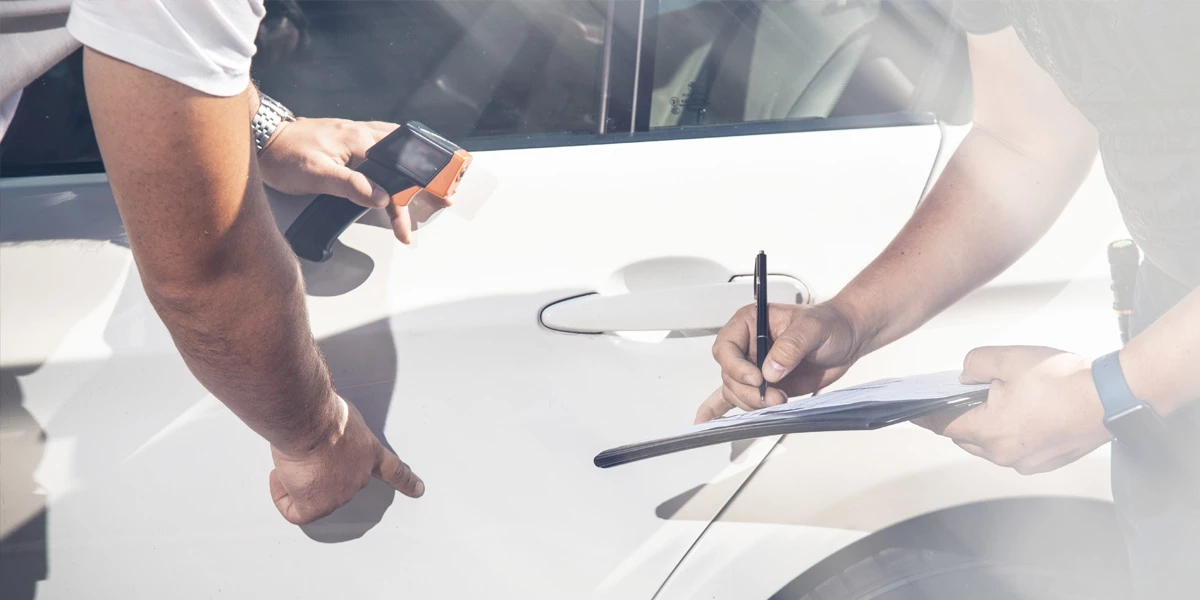
Examine the car you plan to buy thoroughly in daylight and suitable weather conditions. Check for any damage, scratches, or dents on the exterior, tires, hood, and bumpers. Inside, ensure that all electronic equipment and accessories are working. Also, make sure that equipment such as the spare key, multimedia panel, jack, and spare tire are included and in good condition.

5. Obtain an Independent Inspection Report:
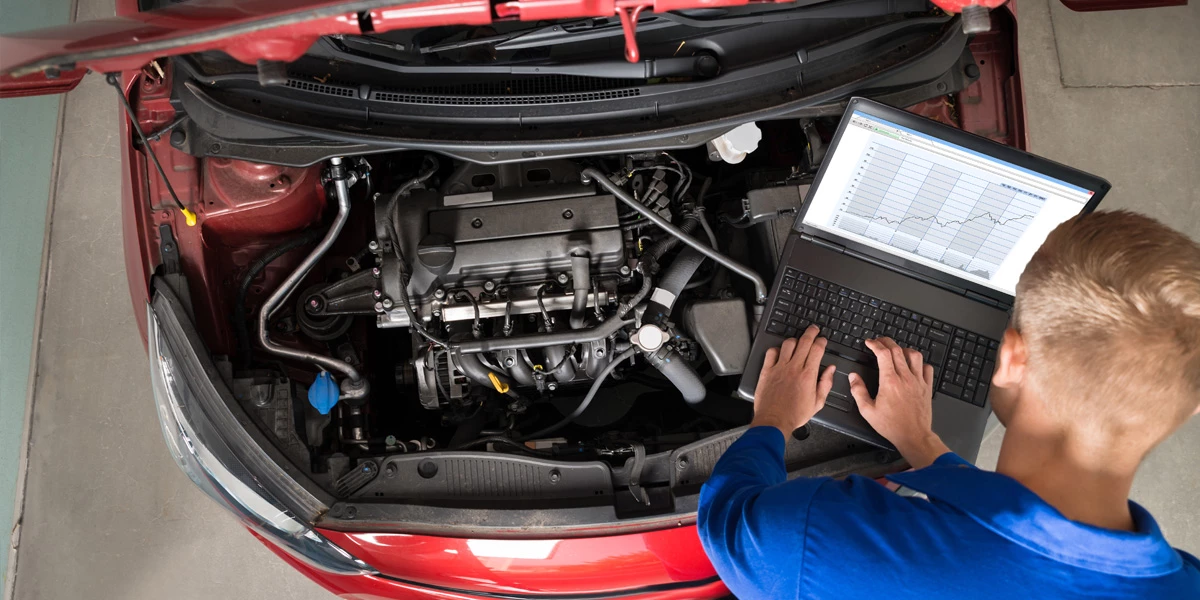
To get a clear idea of the car’s current condition, have it inspected by an independent and reliable auto appraisal company. Detailed checks of the engine, mechanical components, chassis, and electronic systems help prevent unexpected issues. It is advisable not to start the notary process without an inspection report.
6. Check for Accident and Damage History:
Use official inquiry services to learn about the car’s past accident and damage records using the chassis or license plate number. You can quickly access this information via SMS, giving you insight into the vehicle’s real history. Keep in mind that inquiries done with the chassis number are generally more reliable.
7. Take the Car for a Test Drive:
If possible, take the car for a short test drive to personally experience critical aspects such as the engine, transmission, brakes, and road handling. Compare the car’s overall comfort and performance with your own expectations to make a confident decision.

8. Price Analysis and Negotiation:
After conducting your market research, do not hesitate to negotiate within the price range you have determined. During the bargaining process, consider the real value and market standing of the vehicle. The price should be neither excessively high nor suspiciously low compared to similar makes and models.

Proceeding step by step in the process of purchasing a used car is very important to avoid both financial and emotional losses. By paying attention to these points, you can own your new car with peace of mind. Remember, buying a solid and reliable used car requires the right information and careful attention.